Diesel diagnostics
Altitude-aware engine work: codes read, cranking and fuel paths tested, and turbo-era faults chased with instruments where the truck sits.
Albuquerque owns the Big I, the junction where I-40's coast-to-coast traffic crosses I-25's mountain corridor, and every day that interchange hands somebody a mechanical problem at altitude. ALBQ Mobile Truck Repair works those problems where they happen: the junction shoulders, the South Valley yards, the westside distribution parks, and the long empty miles where a breakdown gets lonely fast.
Engines diagnosed at elevation, air systems sealed, trailers made legal again, tires changed where they quit, and fleets kept on calendars, all tuned for a mile-high city with desert on every side.
From the cab, gather:
Altitude-aware engine work: codes read, cranking and fuel paths tested, and turbo-era faults chased with instruments where the truck sits.
The mile-high specialty. Radiators, fans, thermostats, and hoses proven before the next long grade asks its question.
Leak-downs, chambers, valves, adjustment. The corridors reward brakes that behave and punish everything else.
Circuits, plugs, air lines, doors, and legs, repaired at the yard or the wide spot the desert offered.
Heat-margin pressure work and changeouts at the truck, duals gauged together, torque verified.
Scheduled yard care with the monsoon and freeze calendars built into the rotation.
What broke, where exactly, what is aboard, and can it roll. Then the desert additions when they apply: sun exposure, water status, and how far the nearest shade or services sit. The mechanical plan and the human plan travel together out here, and the second one leads when it has to.
The verdict is delivered straight: repairable in place, safe to limp with stated limits, or bay-bound with the diagnostic finished. Distance makes false optimism expensive in this state, so we do not stock it.
The metro map is compact: the junction at the center, the rail-served yards south of downtown, the westside parks toward the volcanoes, and the North Valley industrial pockets. The real territory is what surrounds it, because I-40 runs a hundred lonely miles in both directions and I-25 does the same north and south. Corridor calls get quoted against genuine distance, with water-and-shade honesty when summer is involved.
Altitude is the local variable travelers forget. A mile of elevation thins the air that engines, turbos, and cooling systems were tuned for at sea level, and equipment that climbed here from the flatlands sometimes announces its opinion at the city limits.
Albuquerque fleets get the standing treatment: yard rounds on a calendar, written unit histories, monsoon-season electrical attention, and winter checks before the first hard freeze surprises the valley. But half this city's truck traffic is just passing through on the big corridors, and those drivers get the same seriousness, because a stranger stranded at the Big I is the founding customer of this entire trade.
Both audiences hear the same closing line: a decision they can dispatch on, not a shrug with an invoice.
Real answer per call, against real miles and conditions. Give the mile marker and the direction, and you get a yes, a no, or the name of who can reach you faster. The desert makes false promises dangerous, so we skip them.
Ease off, find the next pull-out, and shut down before the gauge peaks. Altitude makes marginal cooling systems honest, and ten cautious minutes routinely saves a five-figure repair. Call with the reading and we take it from there.
Every year. Months of dust followed by sudden water finds every tired seal and connector in the county. We test circuits end to end and fix the entry point, not just the symptom.
Both are standing territory, along with the North Valley industrial pockets. Park name and gate get you an honest window quoted from our actual position.
It changes the morning map and we plan around it. Fiesta mornings we quote windows that respect the crowds, and yard work gets scheduled outside the launch hours.
The corridors run around the clock and the phone keeps corridor hours. Same triage after dark, cooler pavement, better stars.
Yes. The south-side rail traffic keeps chassis and yard equipment in steady circulation, and steady circulation keeps them on our rotation. Facility rules respected, windows honest.
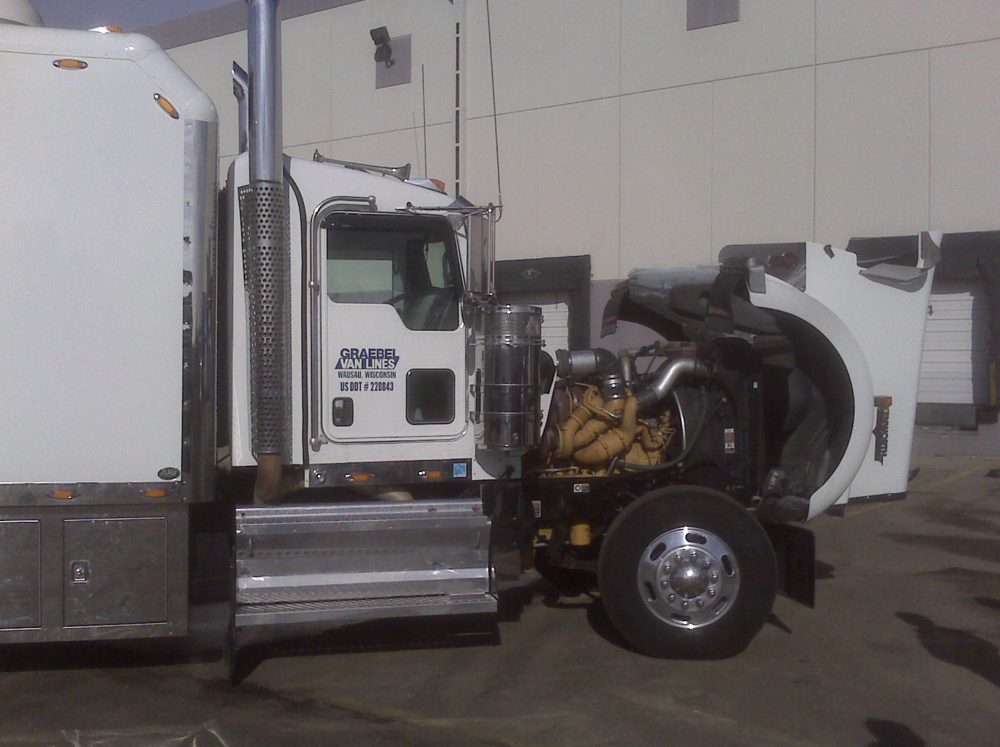
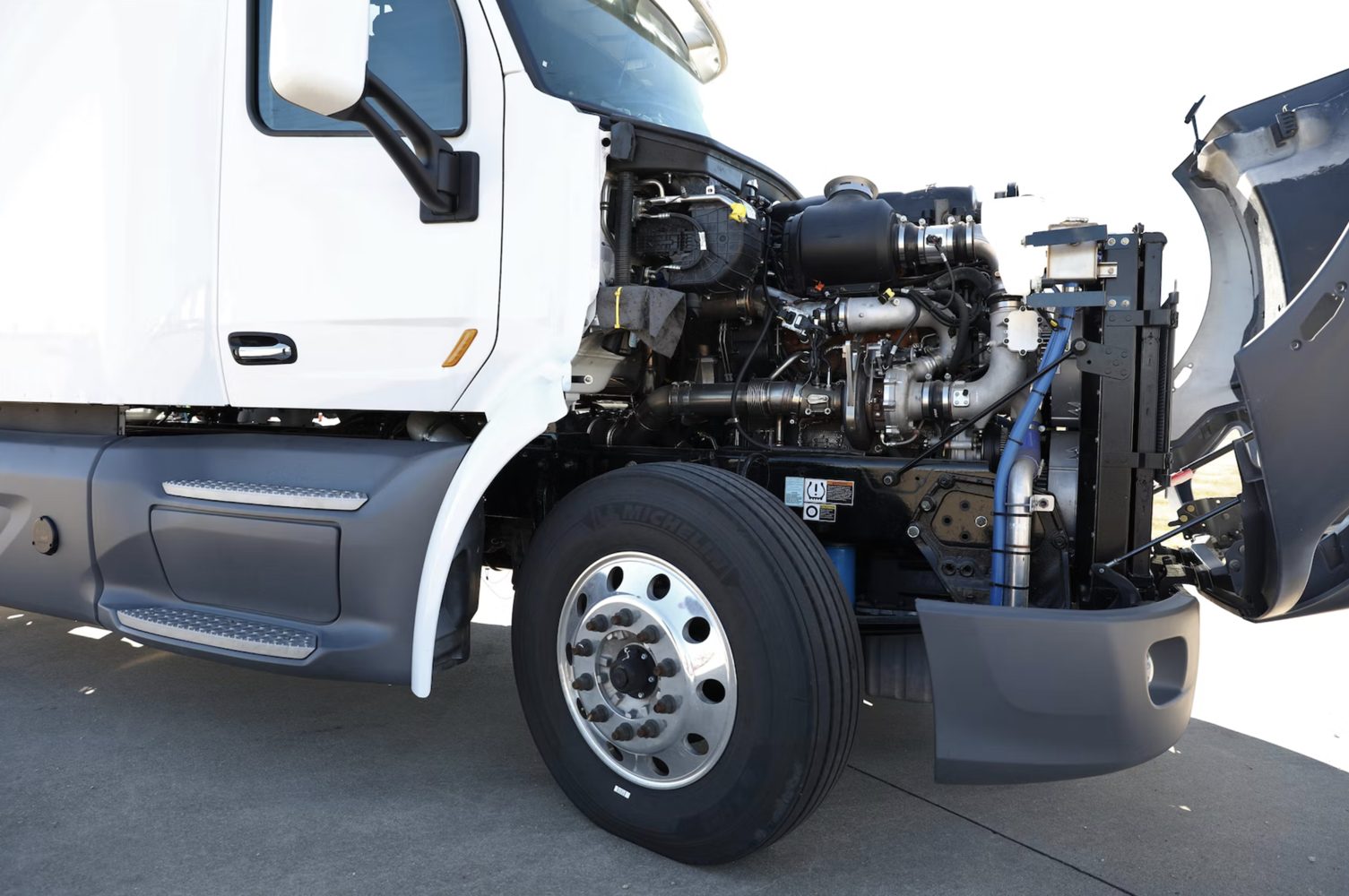
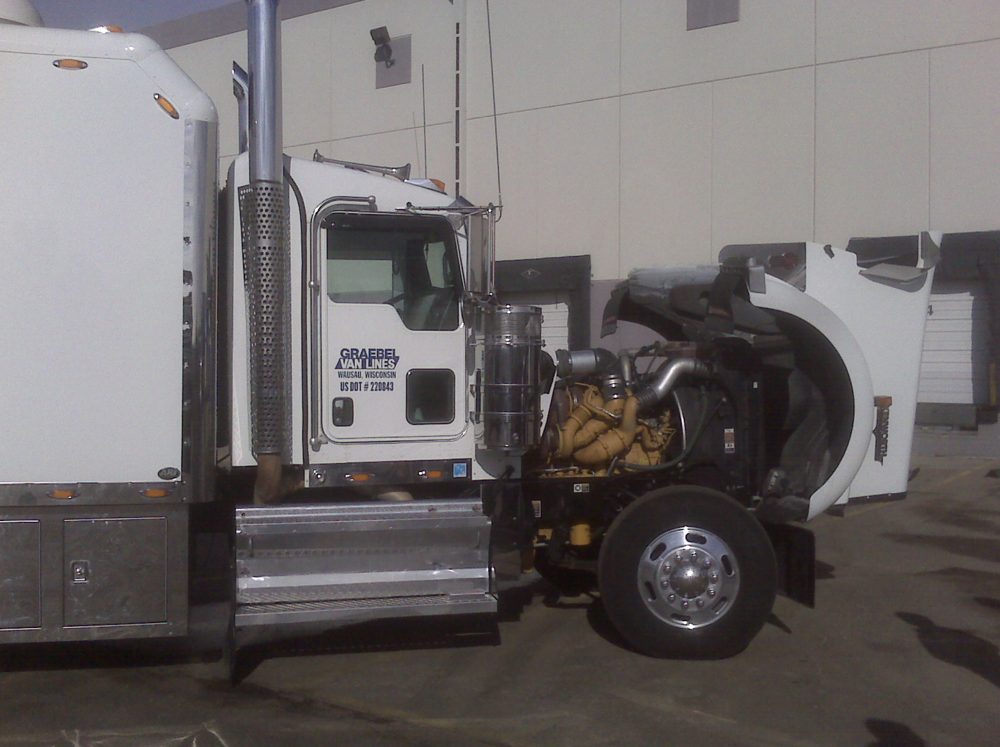
Thin air works engines harder for the same load, which surfaces marginal cooling and charging systems that behaved fine in Amarillo. Summer pavement punishes tires on the long approaches, and the monsoon weeks add sudden water to electrical systems that spent months baking dry. Our stock rotates with that calendar: cooling and tires through the heat, connectors and grounds when the rains arrive.
Winter is real here despite the postcards, and the high sections north of town prove it first. Batteries that survived the desert summer meet December honestly, and the fall check remains the cheapest appointment on the calendar. The high desert runs both extremes annually and audits every fleet's preparation for each.
Wind gets a line too: the spring gusts that close I-40 to high-profile traffic are a scheduling fact of life here, and a trailer parked out the worst of an advisory beats one blown into the median. When the warnings post, we help fleets time their moves, because the desert's weather is part of every mechanical plan.
When the July rains arrive, the failure map changes overnight: washes run, yards flood in corners nobody remembered, and the electrical gremlins bloom in every connector the dry months lulled to sleep. We run those weeks with extra grounds, plugs, and patience aboard, and we tell fleets the same thing annually: the pre-monsoon electrical sweep is the cheapest weather insurance the desert sells.
Fleets routing through from lower country sometimes discover that their maintenance margins were sea-level margins. A cooling system at 90 percent in Oklahoma City runs past 100 here on the long climbs, and the discovery usually happens at the least convenient marker available. If your routes just added this corridor, a one-time altitude check of cooling, charging, and turbo health pays for itself the first summer. Ask for exactly that and we will build it.
If Albuquerque is mile marker something on your way to somewhere else, keep this number with your fuel receipts. The Big I is the last full-service stop for serious distance in three directions, and the difference between breaking down near it and past it is measured in hours and towing zeros. Drivers who run these corridors regularly treat the junction as a checkpoint: tires, gauges, and air checked here, where help is minutes away instead of hypothetical.
Between the intermodal traffic and the city's own delivery, construction, and utility fleets, Albuquerque keeps a working truck population that never makes the postcard. That equipment gets our standing attention: yard rotations, honest verdicts, and repairs that hold at altitude. The high desert is hard on machines and harder on excuses, and we stock for the first while skipping the second.
Exit or marker, failure, cargo, conditions. Verdict, window, technician rolling with desert-appropriate stock. That is the whole system.